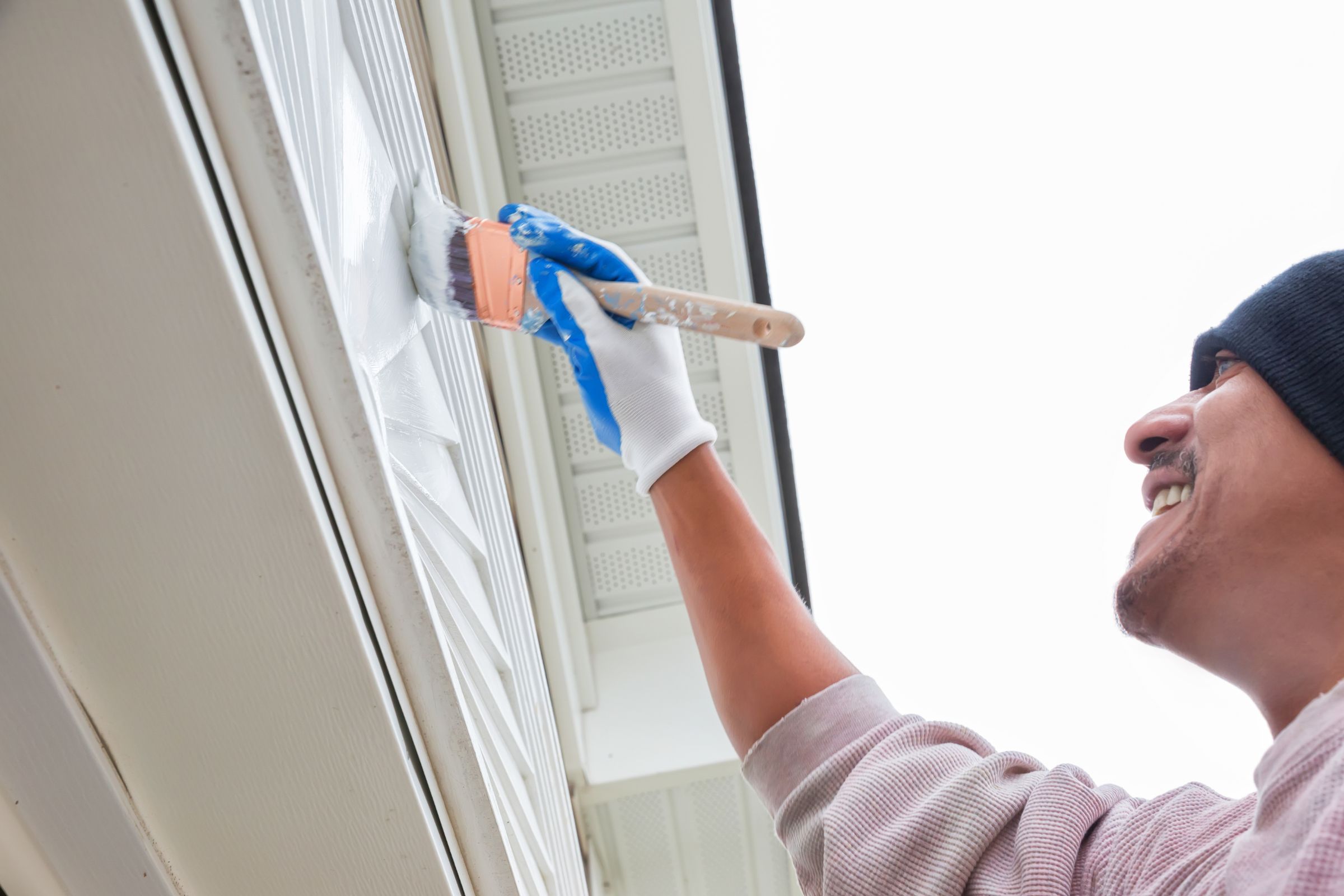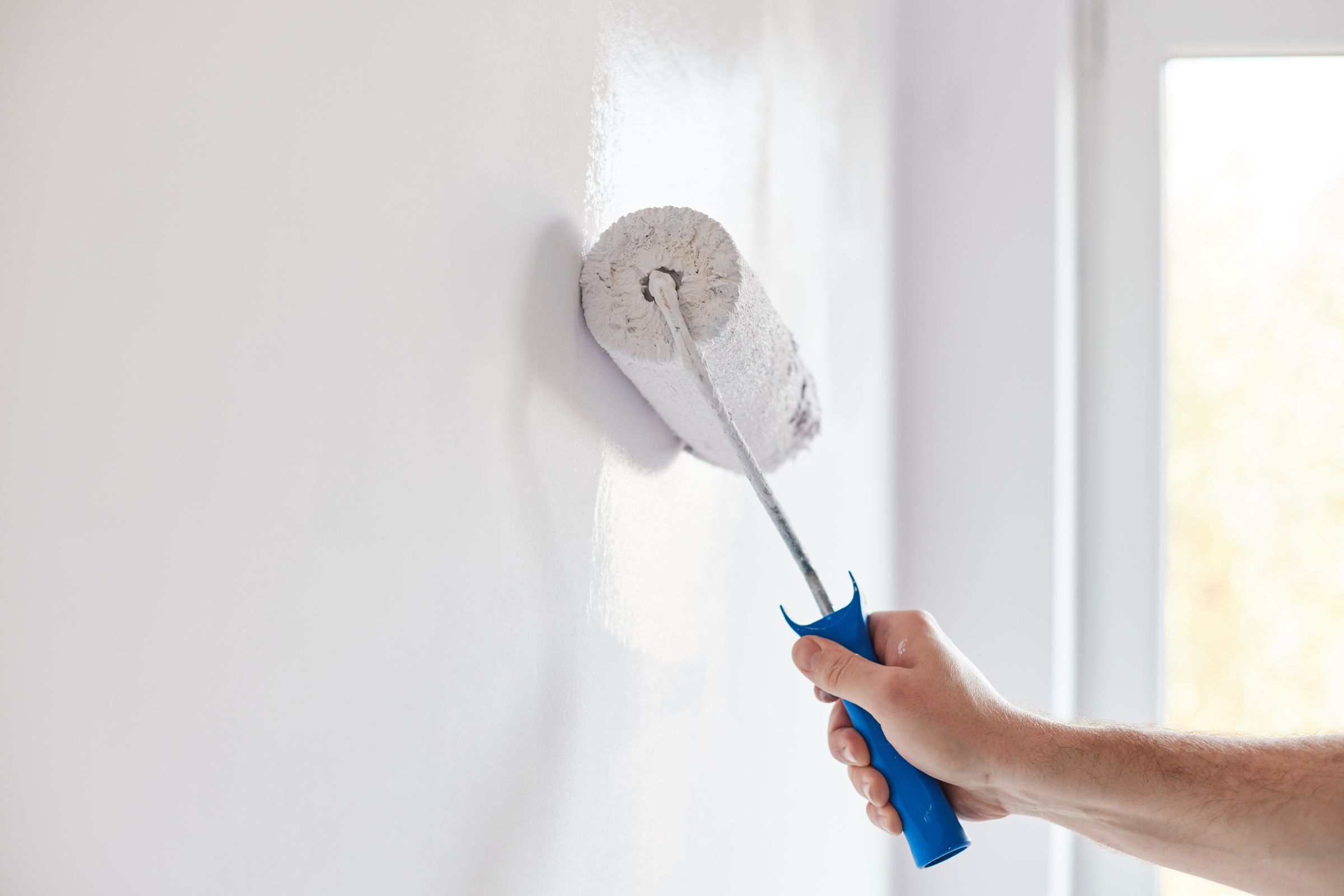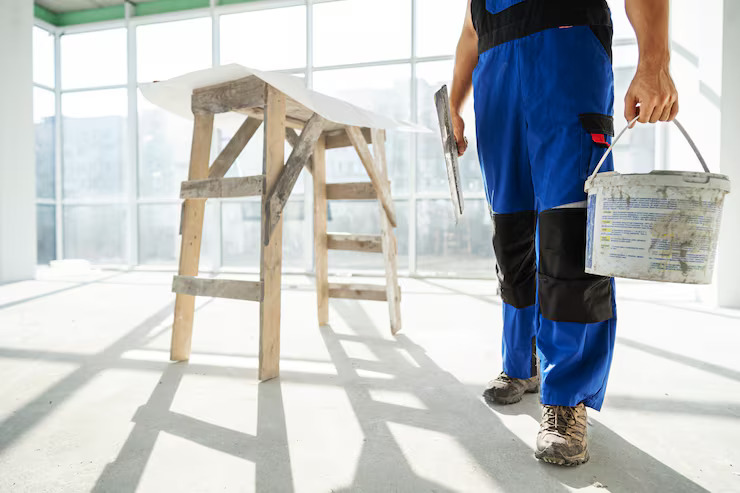
If you're thinking about giving your home a fresh look, timing is everything. In New…

How to Prepare Your New Jersey Home for an Interior Paint Job
A fresh interior paint job can completely transform your home, improving both its appearance and value. However, the quality of the final result depends heavily on proper preparation. Whether you are repainting a single room or your entire house, knowing how to prepare your New Jersey home for an interior paint job ensures smoother execution, better finishes, and longer-lasting results.
This guide walks you through essential interior paint preparation steps every homeowner should follow before professional painters arrive.
Why Interior Paint Preparation Matters
Many homeowners underestimate how much preparation impacts the outcome of an interior paint project. Skipping steps can lead to uneven coverage, peeling paint, visible imperfections, and unnecessary delays.
Proper home painting preparation helps:
- Protect furniture and flooring
- Improve paint adhesion and durability
- Reduce project time and cleanup
- Deliver cleaner lines and professional results
In New Jersey homes, seasonal humidity, older construction, and varied wall materials make preparation even more important.
1. Declutter and Clear the Space
Before painting begins, remove as many items as possible from the room. Clear walls of artwork, mirrors, shelving, and window treatments. Smaller furniture should be moved out entirely when possible.
For large furniture that cannot be removed, place it in the center of the room and ensure there is adequate space around the walls. This makes it easier for painters to work efficiently and reduces the risk of accidental paint splatter.
This step is one of the most important parts of how to get ready for painters.
2. Protect Furniture, Floors, and Fixtures
Professional painters will typically use drop cloths and plastic sheeting, but homeowners can help by removing delicate items and valuables ahead of time.
Key protection steps include:
- Covering hardwood floors, carpets, and rugs
- Removing outlet covers and switch plates
- Protecting light fixtures and ceiling fans
- Shielding built-in cabinets and countertops
This level of interior paint job preparation prevents damage and ensures a cleaner work environment.
3. Clean the Walls Thoroughly
Paint adheres best to clean surfaces. Dirt, grease, and residue can cause peeling or uneven texture. This step is especially important in kitchens, bathrooms, hallways, and high-traffic areas.
Use a mild detergent and warm water to wipe down walls. For areas with grease buildup, such as near stoves, use a degreasing cleaner. Allow walls to dry completely before painting begins.
Clean walls are a critical part of interior wall preparation and contribute directly to long-lasting results.
4. Repair Wall Damage Before Painting
Even small imperfections become noticeable after a fresh coat of paint. Before painting, inspect walls for:
- Nail holes
- Cracks or dents
- Peeling or flaking paint
- Water stains or minor damage
Use spackling compound to fill holes and cracks, then sand smooth once dry. Larger repairs or water damage may require professional attention. Addressing these issues ahead of time ensures smooth surfaces and a polished final look.
This step is often overlooked in painting prep for homeowners, but it makes a significant difference.
5. Sand and Smooth Surfaces
Sanding helps remove rough spots, old paint ridges, and glossy finishes that can prevent proper adhesion. Light sanding is especially important if walls were previously painted with high-gloss or semi-gloss paint.
After sanding, wipe down walls to remove dust. A clean, slightly textured surface allows primer and paint to bond correctly.
This step is a core part of professional interior painting New Jersey standards.
6. Prime Where Needed
Primer is not always required on every wall, but it is essential in certain situations:
- Covering dark or bold colors
- Painting over patched or repaired areas
- Sealing stains or water marks
- Transitioning between different paint finishes
Priming creates a uniform base, improves color accuracy, and extends the life of the paint. Discuss priming needs with your professional interior painters NJ to ensure the right approach for your home.
7. Plan Colors and Finishes in Advance
Selecting colors and finishes ahead of time prevents delays once painting begins. Consider how lighting, room size, and function affect color choices.
Before painting starts, confirm:
- Wall colors for each room
- Trim, ceiling, and accent colors
- Paint finishes such as matte, eggshell, satin, or semi-gloss
Finalizing decisions early streamlines the project and avoids last-minute changes that can slow progress.
8. Make Arrangements for Pets and Family
Interior painting involves noise, movement, and drying time. Plan ahead for pets, children, and household routines.
Helpful preparation includes:
- Keeping pets out of work areas
- Arranging alternative spaces for remote work
- Ensuring proper ventilation during painting
These considerations improve safety and comfort throughout the project.
9. Communicate Expectations with Your Painter
Clear communication is essential for a successful paint job. Before work begins, review the scope of the project with your painter, including:
- Areas being painted
- Timeline and daily work schedule
- Cleanup procedures
- Touch-up policies
Professional painters appreciate homeowners who are prepared and informed, which leads to smoother execution and better results.
10. Follow a Final Interior Painting Checklist
Before the painters arrive, run through a final interior painting checklist:
- Rooms cleared and furniture moved
- Walls cleaned and repairs completed
- Floors and fixtures protected
- Colors and finishes confirmed
- Pets and family arrangements planned
Completing this checklist ensures your project starts on time and finishes efficiently.
Why Hire Professional Interior Painters in New Jersey
While preparation can be handled by homeowners, working with experienced professionals ensures expert surface evaluation, proper product selection, and flawless application.
Professional painters bring:
- Knowledge of New Jersey home styles and conditions
- High-quality tools and materials
- Efficient, clean workmanship
- Long-lasting, professional finishes
Hiring professionals reduces stress and guarantees results that elevate your home.
Knowing how to prepare your New Jersey home for an interior paint job is the key to achieving smooth, durable, and beautiful results. From cleaning and repairs to planning and communication, proper interior paint preparation protects your investment and ensures the final product looks exactly as intended.
If you are planning an interior paint project, working with experienced professionals makes all the difference. VanGo Painting provides expert guidance, meticulous preparation, and high-quality results for homeowners throughout New Jersey.
Related Posts