Painting your home is one of the most effective ways to refresh your space, boost…

Choosing Between Matte, Satin, and Gloss: Paint Finishes Explained
When planning a painting project, most homeowners focus on color. Of course, while color is important, the finish you choose can have just as much impact on how your space looks and performs over time. Understanding the difference between matte, satin, and gloss finishes helps you make smarter decisions that improve durability, maintenance, and overall appearance.
In this guide, we break down each paint finish, where it works best, and how to choose the right one for your home.
Why Paint Finish Matters More Than You Think
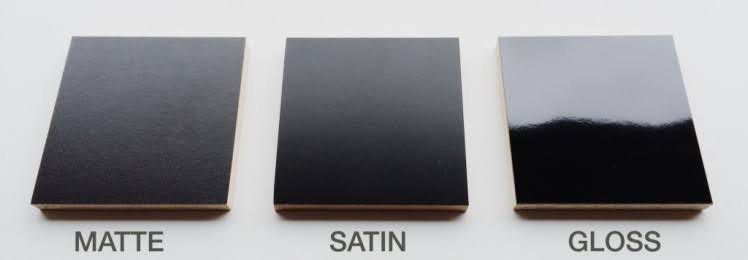
Paint finish, also known as sheen, refers to how much light a paint reflects. This directly affects how your walls look and how well they hold up to everyday use.
The right finish can:
- Make a room feel brighter or softer
- Hide or highlight surface imperfections
- Improve durability in high-traffic areas
- Make cleaning easier
Choosing the wrong finish can lead to walls that are difficult to maintain or show flaws more than expected.
If you are planning a full interior update, you can explore Professional Interior Painting Options.
Matte Paint: Soft, Modern, and Forgiving
Matte, sometimes called flat paint, has little to no shine. It absorbs light instead of reflecting it, which gives walls a smooth, understated look.
Best for:
- Bedrooms
- Living rooms
- Ceilings
- Low-traffic areas
Advantages:
- Excellent at hiding imperfections like dents or uneven texture
- Creates a modern, soft finish
- Ideal for older walls that are not perfectly smooth
Considerations:
- Less durable than other finishes
- Harder to clean, especially in high-use areas
Matte finishes are perfect when appearance matters more than durability. They are often used in spaces where walls are less likely to be touched or marked.
Satin Paint: The Perfect Balance
Satin is one of the most popular finishes because it offers a balance between durability and appearance. It has a slight sheen that reflects light without being overly shiny.
Best for:
- Hallways
- Kitchens
- Bathrooms
- Family rooms
- Kids’ rooms
Advantages:
- Easier to clean than matte
- Holds up well in high-traffic areas
- Provides a subtle glow that enhances color
Considerations:
- Shows some surface imperfections
- Requires proper prep work for best results
Satin is often the go-to choice for homeowners who want a finish that looks good and performs well in everyday conditions.
Gloss and Semi-Gloss Paint: Durable and Reflective
Gloss and semi-gloss finishes are the most reflective options. They create a bright, polished look and are highly durable.
Best for:
- Trim and molding
- Doors
- Cabinets
- Kitchens and bathrooms
Advantages:
- Extremely durable and moisture-resistant
- Easy to clean and maintain
- Ideal for surfaces that need frequent wiping
Considerations:
- Highlights imperfections more than any other finish
- Requires smooth, well-prepared surfaces
These finishes are commonly used for detailed work such as trim painting. Learn more about those services by exploring our Carpentry Services.
For cabinet projects where durability matters, explore our Cabinet Refinishing Services.
Room-by-Room Recommendations
Choosing the right finish often depends on how each room is used. Let’s break down what we typically see on a room-by-room basis:
Living Room and Bedrooms
Matte or eggshell finishes work well here. They create a calm, comfortable environment and hide minor wall flaws. These are high-traffic areas that are more prone to light wall damage, hidden well by matte finishes.
Kitchens and Bathrooms
Satin or semi-gloss is the better choice due to moisture and frequent cleaning. These finishes resist humidity and stains common in these spaces.
Hallways and Entryways
Satin is ideal since these areas experience heavy traffic and need durability while also needing visual appeal for transitionary spaces.
Trim, Doors, and Cabinets
Semi-gloss or gloss provides a crisp, clean look that stands out and holds up over time.
How Lighting Affects Paint Finish
Lighting plays a major role in how paint appears once it is applied.
- Natural light can make glossy finishes appear brighter
- Matte finishes can soften harsh lighting
- Dark rooms may benefit from slightly higher sheen to reflect light
Before committing, it is always a good idea to test samples on your walls and observe them throughout the day.
Common Mistakes to Avoid
Choosing the wrong finish can lead to frustration later. Here are a few common mistakes:
- Using matte paint in high-traffic areas where it will stain easily
- Choosing gloss paint on uneven walls, which highlights imperfections
- Skipping prep work before applying satin or gloss finishes
- Not considering how lighting will affect the final look
Proper preparation is key to achieving a smooth, professional result. Learn more about Prep and Repair work.
Frequently Asked Questions About Paint Finishes
What is the most durable paint finish for walls?
Satin and semi-gloss are the most durable finishes for everyday use. They hold up well in high-traffic areas and are easier to clean than matte paint.
Is matte paint a good choice for living rooms?
Yes, matte paint works well in living rooms and bedrooms where there is less wear and tear. It provides a smooth, modern look and helps hide wall imperfections.
Should I use gloss paint on walls?
Gloss paint is typically not recommended for full walls because it highlights imperfections. It is better suited for trim, doors, and cabinets where durability and shine are important.
What paint finish is best for kitchens and bathrooms?
Satin or semi-gloss finishes are best for kitchens and bathrooms. They resist moisture, are easier to clean, and perform well in humid environments.
How do I choose the right paint finish for each room?
Consider how the room is used. High-traffic or high-moisture areas need more durable finishes like satin or semi-gloss, while low-traffic spaces can use matte for a softer look.
Does paint finish affect how color looks?
Yes, it does. Glossy finishes reflect more light and can make colors appear brighter, while matte finishes absorb light and give colors a softer appearance.
Can I mix different paint finishes in the same room?
Yes, it is common to use different finishes in one room. For example, walls may use satin or matte, while trim and doors use semi-gloss for contrast and durability.
Do I need professional help choosing paint finishes?
While you can choose finishes on your own, working with a professional ensures the right combination of durability, appearance, and long-term performance based on your space.
Why Professional Guidance Makes a Difference
While it may seem simple, choosing the right paint finish involves more than just preference. Factors like surface condition, lighting, room function, and long-term maintenance all play a role.
Professional painters understand how these elements come together. They can recommend the best finish for each space and ensure proper application for long-lasting results.
For additional guidance on paint types and finishes, resources like Sherwin-Williams provide helpful overviews.
If you are planning a painting project in New Jersey, working with experienced professionals ensures every detail is handled correctly from prep to final coat.
If you are unsure which finish is right for your home, you can Reach Out for specified advice or to schedule a consultation.
Related Posts