New Jersey homeowners know that weather can change quickly… Maybe a little too quickly. One…
How Much Does It Cost to Paint a House in New Jersey? 2026 Guide
If you’re planning to repaint your home, cost is probably one of your first questions. Unfortunately, there isn’t one price that applies to every house.
In 2026, New Jersey market estimates commonly put a professional whole-home interior project somewhere around $3,500 to $10,000, while complete exterior projects can range from roughly $4,500 to $18,000 or more. Smaller projects may cost considerably less, while large homes, extensive repairs, detailed trim, difficult access, and premium finishes can push costs higher.
Those ranges are useful for budgeting, but they are not a substitute for an estimate. Two similarly sized New Jersey homes can require very different amounts of preparation and labor.
At VanGo Painting, we’ve spent decades working on homes in Freehold and surrounding New Jersey communities. Here’s what homeowners should know about painting costs before requesting an estimate.
While the following blog piece discusses average painting cost, and rough estimates depending on your specific situation, it does not cover exact pricing of Van Go Painting services. For an estimate from us, Contact Van Go today!
How Much Does Interior Painting Cost in New Jersey?
For a full-home interior repaint, a reasonable 2026 New Jersey market range is approximately $3,500 to $10,000, although larger or more complex projects can exceed that.
A smaller room may cost several hundred dollars, while painting walls, ceilings, doors, and trim throughout an entire home is a much larger project.
Interior painting prices depend heavily on what is actually being painted. An estimate for walls only should not be compared directly with one that includes:
- Walls
- Ceilings
- Baseboards
- Crown molding
- Window and door trim
- Interior doors
- Closets
- Stairways
Surface condition matters, too. A vacant home with clean walls will generally require less labor than an occupied home with cracks, holes, stains, damaged drywall, and extensive furniture protection.
Homeowners planning a larger project can learn more about VanGo’s interior painting services.
How Much Does Exterior House Painting Cost in New Jersey?
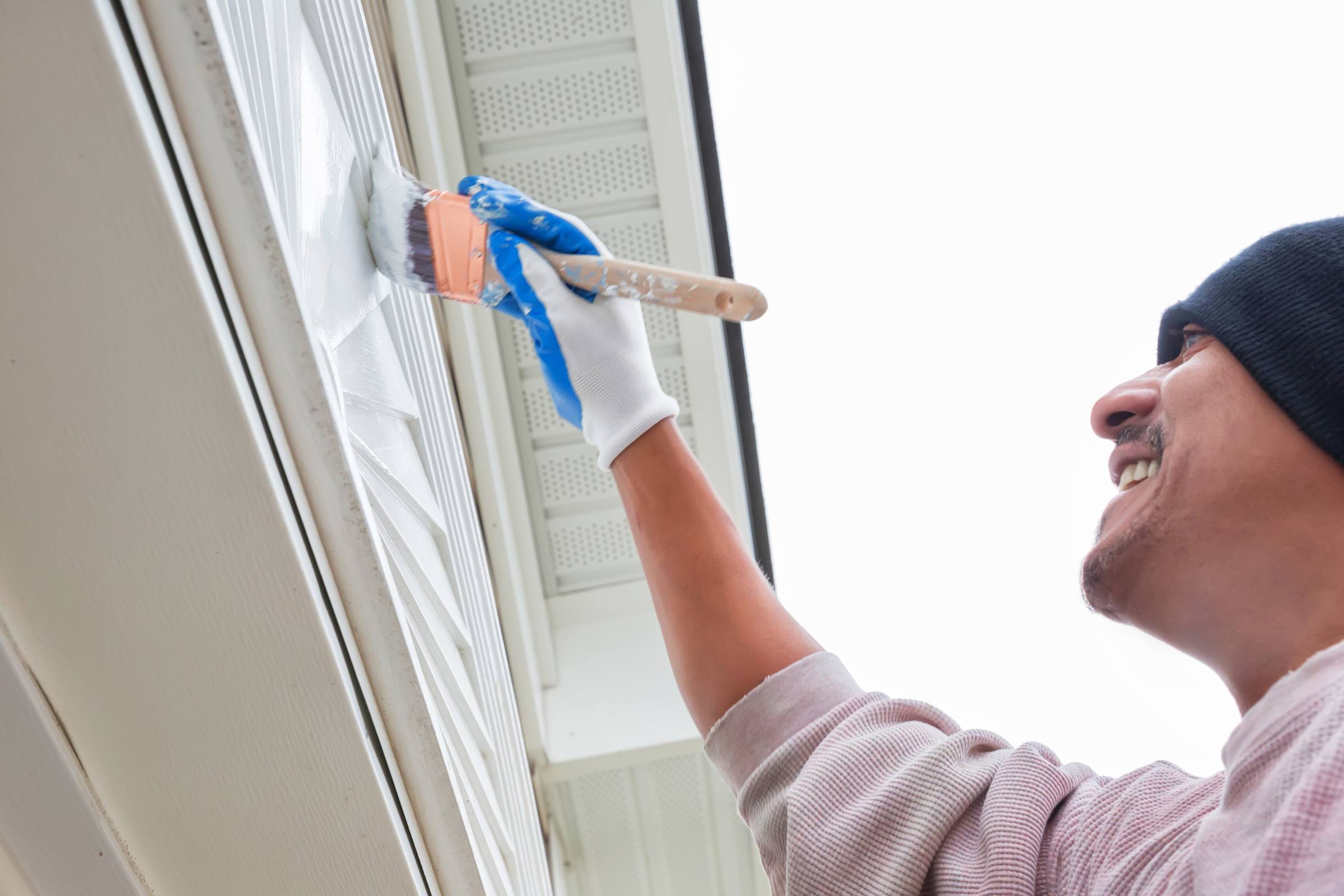
A professional exterior house painting project in New Jersey can commonly fall between approximately $4,500 and $18,000+, depending on the house and scope of work.
Why such a large range?
A one-story home with surfaces in good condition is very different from a multi-story house requiring extensive scraping, wood repairs, caulking, priming, and detailed trim work.
Exterior painting costs can be affected by:
- House size
- Number of stories
- Siding material
- Condition of the existing coating
- Amount of scraping and sanding
- Wood rot or damaged trim
- Number of colors
- Doors, shutters, and architectural details
- Accessibility
- Paint system selected
New Jersey weather also makes proper exterior preparation especially important. Paint has to withstand moisture, summer heat, cold winters, and repeated seasonal temperature changes.
If your home’s exterior is fading, peeling, or showing exposed surfaces, explore VanGo’s exterior painting services.
What Has the Biggest Impact on House Painting Cost?
Square footage matters, but it doesn’t tell the whole story. In many projects, labor and preparation are the biggest variables.
1. Surface Preparation
Good painting starts before the first coat goes on.
Depending on the home, preparation may include cleaning, scraping, sanding, filling holes, caulking gaps, repairing cracks, priming bare areas, and protecting surrounding surfaces.
Skipping preparation may reduce the initial price, but it can also shorten the life of the finished paint job.
2. Wall and Ceiling Repairs
Cracked, dented, or damaged surfaces require additional work before painting.
Small imperfections may only require patching and sanding. More significant damage can require professional sheetrock repair before the painting process begins.
3. Trim, Doors, and Detailed Woodwork
Detailed surfaces require additional preparation and careful application.
Baseboards, crown molding, doors, windows, railings, wainscoting, and other architectural details can substantially increase labor compared with painting flat walls alone.
If damaged wood needs attention before painting, VanGo also provides carpentry services.
4. Ceiling Height and Accessibility
High ceilings, stairwells, multi-story exteriors, and difficult-to-access surfaces require more time and equipment.
Accessibility is one reason pricing a professional paint job based solely on floor square footage can be misleading.
5. Paint and Finish Selection
Paint products vary in price, coverage, durability, sheen, and intended use.
Bathrooms may need coatings suited to moisture. Exterior surfaces need products appropriate for the substrate and weather exposure. Trim and cabinets require different finishes than standard walls.
Premium paint costs more per gallon, but materials are only one part of the total project cost.
Why Can Two Painting Estimates Be Thousands of Dollars Apart?
Two contractors may appear to be quoting the same job while actually proposing very different scopes of work.
One estimate may include extensive preparation, repairs, primer, multiple finish coats, premium products, detailed protection, and cleanup. Another may include little more than applying paint to the existing surface.
When comparing painting estimates, ask:
- What surfaces are included?
- What preparation will be performed?
- Are repairs included?
- Is primer required and included?
- How many finish coats are specified?
- What paint products will be used?
- Are ceilings, doors, and trim included?
- How will floors, furniture, and landscaping be protected?
- What cleanup is included?
The bottom-line price matters, but the scope behind that price tells you what you’re actually buying.
Does It Cost More to Paint an Older New Jersey Home?
It can. Older homes often have more detailed trim, plaster, previous coatings, surface damage, wallpaper, or other conditions that require additional preparation.
Some older homes may also require special precautions when potentially hazardous materials are present. Those conditions should be evaluated before surfaces are disturbed.
If old wallcoverings are part of the problem, professional wallpaper removal can prepare the underlying walls for a new finish.
Should You Paint the Whole House at Once?
Not necessarily, but there can be advantages.
Painting several rooms together can simplify scheduling, color coordination, preparation, and cleanup. It can also create a more consistent finish throughout the home.
However, homeowners working within a specific budget can prioritize high-impact areas first, such as:
- Living and family rooms
- Kitchens
- Entryways
- Hallways
- Primary bedrooms
- Exterior front elevations and trim
A professional estimate can help you separate essential work from optional upgrades.
How Can You Keep Painting Costs Under Control?
Start with a clearly defined scope.
Decide which rooms or exterior surfaces need attention, whether ceilings and trim are included, and whether repairs need to be completed first.
Avoid choosing a contractor based only on the lowest number. Instead, compare preparation, products, coats, repairs, protection, and cleanup.
You can also ask whether certain projects should be completed together. For example, repairing drywall immediately before interior painting makes more sense than treating them as unrelated projects.
Most importantly, get an estimate based on your actual property rather than assuming an online per-square-foot figure will predict the final cost.
Is Professional House Painting Worth the Cost?
For many homeowners, the value of professional painting comes down to preparation, finish quality, efficiency, and durability.
Painting a room yourself may be practical for a straightforward project. Whole-home interiors, multi-story exteriors, damaged surfaces, detailed trim, and extensive preparation are considerably more involved.
Professional painters also know when a surface needs repair, sanding, caulking, primer, or a specific coating before the finish paint is applied.
A lower initial price isn’t much of a savings if peeling, flashing, uneven coverage, or failed repairs mean the work needs to be redone prematurely.
Get an Accurate Painting Estimate for Your New Jersey Home
Online painting cost guides are useful for setting expectations, but your home determines the real price.
VanGo Painting can evaluate the size and condition of your project, identify necessary preparation or repairs, and provide a scope based on the work your property actually needs.
Ready to find out what your project will cost? Contact VanGo Painting for an estimate and talk with an experienced local painting professional about your home.
Frequently Asked Questions
How much does it cost to paint a 2,000-square-foot house in New Jersey?
The cost varies significantly depending on whether you’re painting the interior, exterior, or both. Current New Jersey market guides commonly place whole-home interior projects in roughly the $3,500 to $10,000 range, while exterior projects can start around $4,500 and exceed $10,000 depending on preparation, home design, and surface condition. An on-site estimate is the best way to price a specific 2,000-square-foot home.
How much does it cost to have one room professionally painted?
A standard room in New Jersey may cost several hundred dollars to professionally paint, but room size, ceiling height, repairs, trim, ceilings, paint selection, and the number of coats all affect the final price. A walls-only repaint will typically cost less than a complete room including ceilings, doors, and trim.
Is interior or exterior house painting more expensive?
Exterior painting can be more expensive because projects may require washing, scraping, sanding, caulking, priming, ladders or specialized access, and repairs to weather-damaged surfaces. However, a large whole-home interior with extensive ceilings, trim, doors, and repairs can also represent a substantial project.
What is usually included in a professional painting estimate?
A detailed painting estimate should clearly define the surfaces being painted, preparation, repairs, primer when required, finish coats, products, protection, cleanup, and other agreed-upon work. Homeowners should compare the scope of competing estimates rather than comparing the final prices alone.
What makes house painting more expensive?
The biggest cost drivers typically include project size, extensive surface preparation, drywall or wood repairs, high ceilings, multiple stories, difficult access, detailed trim, numerous doors or windows, major color changes, and premium coatings. Homes in poor condition generally require more labor before painting can begin.
Related Posts