If you're planning to repaint your home, cost is probably one of your first questions…
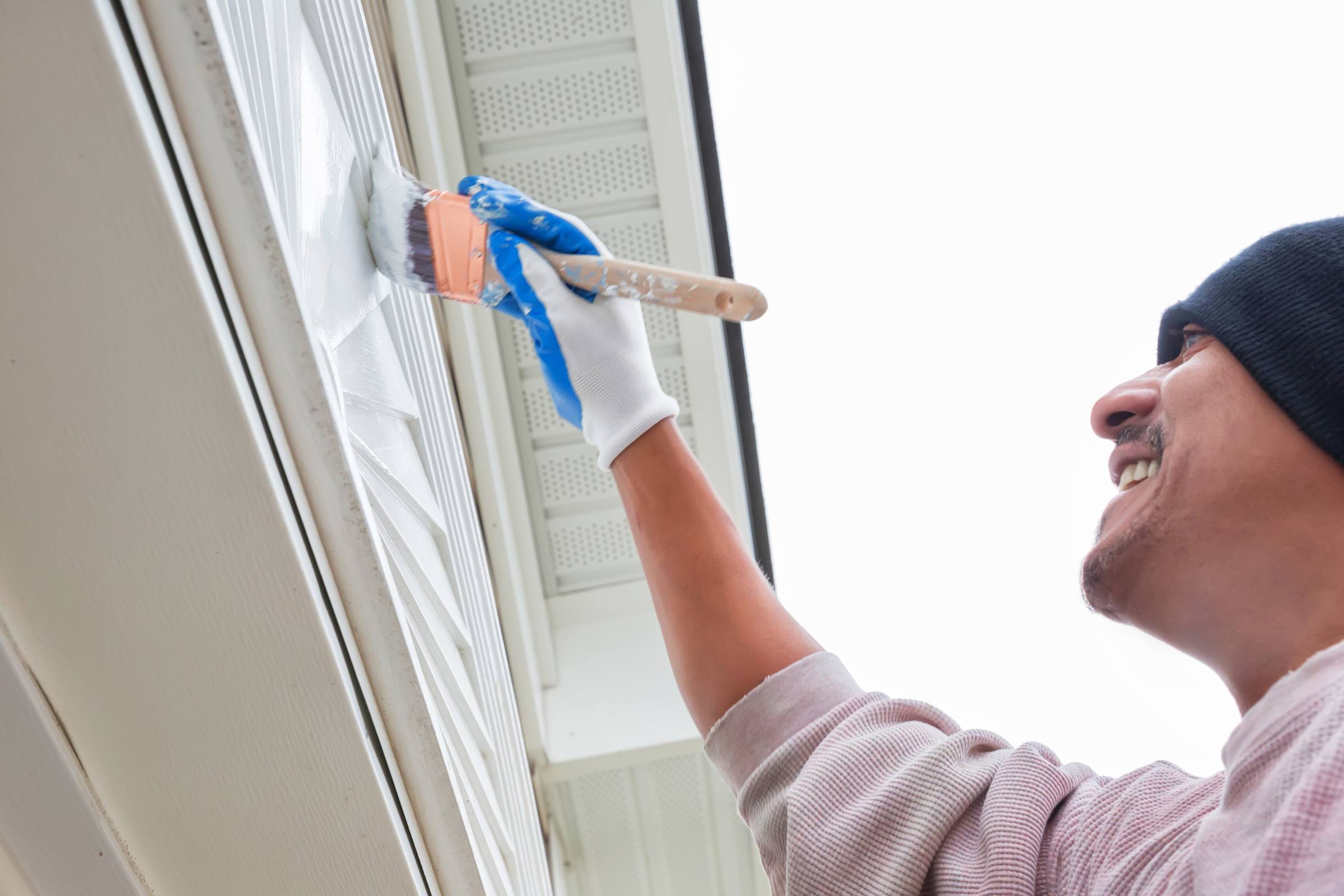
Painting in Cold Weather: When Is It Too Cold to Paint in New Jersey?
New Jersey homeowners know that weather can change quickly… Maybe a little too quickly. One week may bring mild fall temperatures, while the next introduces freezing overnight conditions. If you’re planning a painting project, you may be wondering whether colder weather will impact the results.
The answer depends on several factors, including temperature, humidity, surface conditions, and the type of paint being used. While many homeowners assume painting season ends when temperatures start to drop, that is not always the case.
With more than 25 years of experience working on homes throughout New Jersey, VanGo Painting understands how seasonal weather affects paint performance. Whether you’re considering an exterior refresh before winter or planning an indoor project during the colder months, understanding the limitations and opportunities of cold-weather painting can help you make the best decision for your home.
How Cold Is Too Cold for Exterior Painting?
One of the most common questions homeowners ask is whether exterior painting can be done during colder weather.
Most traditional exterior paints require temperatures above 50 degrees Fahrenheit during both application and curing. If temperatures drop below the manufacturer’s recommendations, paint may not bond properly to the surface.
Potential issues include:
- Poor adhesion
- Uneven drying
- Peeling and cracking
- Reduced durability
- Streaking or discoloration
Many modern paint products are designed to perform in temperatures as low as 35 degrees Fahrenheit, but successful application still depends on weather stability and proper preparation.
This is why professional painters closely monitor weather forecasts before beginning any exterior painting services project.
Why Temperature Matters More Than Homeowners Realize
Paint does not simply dry. It goes through a curing process that allows it to bond with the surface and develop long-term durability.
When temperatures fall too quickly after application, the curing process can be interrupted. Even if daytime temperatures seem acceptable, overnight lows may create problems if they fall below recommended thresholds.
This is particularly important in New Jersey, where fall and early winter weather can fluctuate dramatically from one day to the next.
Professional painters evaluate:
- Daytime temperatures
- Overnight temperatures
- Humidity levels
- Surface temperatures
- Rain forecasts
- Wind conditions
All of these factors affect the success of an exterior paint job.
Can You Paint a House Exterior During Winter?
In most cases, full exterior painting projects become more challenging during the winter months in New Jersey.
Cold temperatures can limit:
- Paint adhesion
- Drying times
- Surface preparation
- Product performance
That does not mean all exterior work stops completely.
During periods of mild weather, certain exterior projects may still be completed successfully using products designed for lower temperatures. However, scheduling flexibility becomes increasingly important.
For homeowners considering a major exterior update, planning ahead for spring often provides the most predictable conditions.
If you are unsure whether your project can move forward, a consultation with a professional painting contractor can help determine the best timeline.
Winter Is Actually a Great Time for Interior Painting
While exterior projects may slow down, winter is often one of the best times to schedule interior painting services.
Many homeowners spend more time indoors during the colder months and begin noticing spaces that could use an update.
Winter interior painting offers several advantages:
Faster Scheduling
Painting companies often have greater scheduling availability during winter compared to the busy spring and summer seasons.
Comfortable Indoor Conditions
Modern heating systems help maintain stable indoor temperatures, creating ideal conditions for paint application and curing.
Refresh Your Home Before Spring
Completing interior painting projects during winter allows homeowners to enjoy updated spaces long before the busy spring home improvement season begins.
Common Signs Your Home May Need Painting Before Winter
Waiting too long to repaint can leave your home vulnerable to damage from harsh winter conditions.
Signs it may be time to repaint include:
- Peeling paint
- Cracked paint
- Fading colors
- Exposed wood
- Moisture stains
- Mold or mildew growth
Addressing these issues early can help protect your home’s exterior and prevent more costly repairs later.
If surface damage is present, professional sheetrock repair services or carpentry work may also be necessary before painting begins.
Choosing the Right Paint Products for Cold Weather
Not all paints perform the same in cooler temperatures.
Professional painters select products based on:
- Weather conditions
- Surface material
- Project timing
- Manufacturer specifications
Advancements in paint technology have made it possible to extend the painting season further into the fall than was possible years ago.
However, product selection is only one piece of the equation. Proper preparation remains critical for achieving long-lasting results.
Why Experience Matters for Cold-Weather Painting
Cold-weather painting requires more planning and expertise than painting during ideal spring conditions.
Experienced painters understand:
- When temperatures are suitable
- How weather affects curing
- Which products perform best
- How to prepare surfaces properly
- When to postpone work for better results
These decisions can significantly impact the longevity of your paint job.
With more than two decades of experience serving homeowners throughout Freehold and surrounding communities, VanGo Painting understands how to navigate New Jersey’s changing seasons and deliver durable results.
Planning Ahead Can Save Time and Money
One of the best ways to avoid weather-related delays is to schedule painting projects before temperatures become unpredictable.
Planning ahead allows homeowners to:
- Secure preferred scheduling dates
- Address repairs before winter
- Protect exterior surfaces
- Improve curb appeal
- Avoid peak-season demand
Whether you are considering interior or exterior improvements, developing a painting plan before winter arrives can help you maximize your investment.
Ready to Discuss Your Painting Project?
If you’re wondering whether your home can be painted during colder weather, the best first step is speaking with an experienced local professional.
Our team can evaluate your project, review current weather conditions, and recommend the best timing to achieve lasting results.
Schedule your consultation today through our contact page and let VanGo Painting help you plan your next project with confidence.
FAQ
What temperature is too cold for exterior painting?
Most exterior paints should not be applied when temperatures fall below 50 degrees Fahrenheit, although some specialty products can be used in temperatures as low as 35 degrees. Always follow manufacturer recommendations and consider overnight temperatures.
Can you paint a house in winter?
Interior painting can be completed successfully during winter because indoor temperatures are controlled. Exterior painting may be possible during mild weather, but conditions must be carefully monitored.
What happens if paint freezes?
If paint freezes before it cures properly, it can lose adhesion, crack, peel, or develop an uneven finish. This is why temperature monitoring is critical during colder months.
Is fall a good time to paint a house in New Jersey?
Yes. Fall is often an excellent time for exterior painting because temperatures are typically moderate and humidity levels are lower than during summer.
What is the best time of year to paint a house in New Jersey?
Late spring through early fall generally provides the most favorable conditions for exterior painting. Interior painting can be completed successfully year-round.
Related Posts